Provincial News
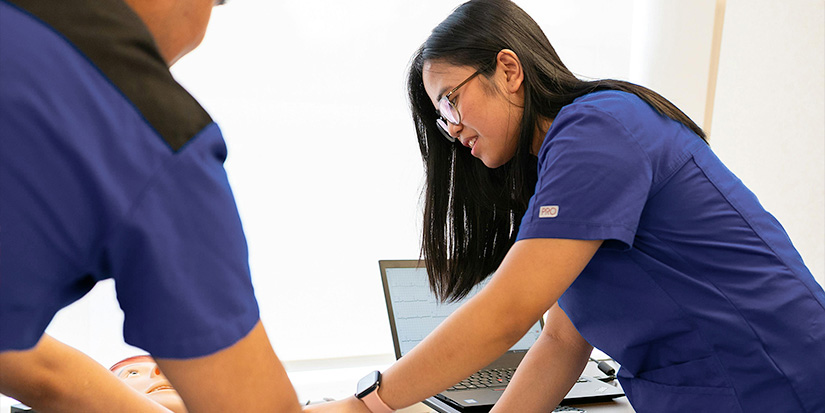
Photo courtesy Pexels
Unsung Heroes: Recognizing the Work of Nurses in Canada’s Healthcare System

Published 3:08 PDT, Thu July 2, 2026


-
Unsung Heroes: Recognizing the Work of Nurses in Canada’s Healthcare System
BY BEZ CHAO
Healthcare workers like registered nurses (RNs) and licensed practical nurses (LPNs) play a crucial role in keeping Canada’s healthcare systems functioning. From hospitals and long- term care homes to clinics, schools, and community health centres, nurses are often the first people patients see and the professionals who spend the most time providing direct care.
Despite the complexity of their responsibilities, nursing is sometimes misunderstood as simply “assisting doctors”. In reality, nurses are highly trained professionals who make critical decisions, monitor patient conditions, and often act as advocates for patients throughout their care.
Although the term “nurse” is often used to refer to both “registered nurses” and “licensed practical nurses,” they are two different roles with differing education, responsibilities, and scope of practice.
Registered nurses generally complete a more advanced nursing degree and often take on broader clinical responsibilities. RNs may perform comprehensive patient assessments, develop care plans, coordinate with physicians and specialists, operate advanced medical equipment, and respond to complex medical situations. They may also specialize in areas such as emergency medicine, paediatrics, mental health, oncology, or intensive care.
In B.C., RNs must graduate from a nursing program approved by the British Columbia College of Nurses and Midwives (BCCNM). Once they graduate, they need to apply to the BCCNM, which will provide authorization to register and write the National Council Licensure Examination (NCLEX-RN). After passing the exam, they must apply for initial registration and licensure through BCCNM. Once registered, they can begin their career as a registered nurse.
Licensed practical nurses typically complete a shorter nursing program focused on foundational patient care and practical clinical skills. LPNs often assist patients with daily living activities, monitor vital signs, administer medications, perform wound care, and support patients in long-term care facilities, rehabilitation centres, and hospitals. To become a licensed practical nurse in BC, you must complete a recognized college program, pass the Canadian Practice Nurse Registration Examination, and then register with the BCCNM. Once registered, they can begin their career as a licensed practical nurse.
Despite these differences, both RNs and LPNs work closely together as part of a healthcare team, and are both essential to patient care. Modern healthcare systems rely heavily on the collaboration between the two.
While nursing remains one of the most esteemed and stable professions in Canada, healthcare systems across the country continue to face nursing shortages. One major reason for this growing demand is Canada’s growing and aging population. As people live longer, health- care systems are seeing increased demand for chronic disease management, long-term care, home care services, and hospital support.
Another factor is the demanding nature of the job itself. Nursing is both physically and mentally exhausting work. Nurses may spend entire shifts on their feet, have to lift or reposition patients, respond to emergencies, and work overnight or extended hours. Long shifts, staffing shortages, and high patient loads add to the significant strain on healthcare workers.
The emotional challenges of the job can be equally difficult. Nurses regularly witness pain, trauma, grief, and loss, and are expected to remain calm and professional while supporting patients and families during these emotionally intense situations. It is no wonder that burnout, stress, and mental fatigue have become growing concerns within the profession.
There are also instances where advance directives—a legal document that allows a capable adult to outline specific instructions to accept or refuse medical treatments in the future if they become incapacitated—are ignored or challenged due to family intervention or vague terminology, which may result in more suffering for the patient and stress on the medical team.
Nurses also face workplace violence and verbal abuse, particularly in high-stress healthcare environments where emotions can run high. Many healthcare workers report experiencing aggression from patients or visitors while still being expected to remain calm and professional.
Staffing shortages can also create negative feedback loops. As more nurses leave due to burnout or stress, remaining staff are often required to take on heavier patient loads and longer shifts, placing even more pressure on nurses and the healthcare system.
There is also a difficult barrier to entry. Becoming either an RN or an LPN requires extensive schooling, clinical training, licensing examinations, continuing education and ongoing expenses. Nursing students must balance demanding coursework with hands-on clinical placements that can be physically and emotionally taxing before they even enter the workforce.
Despite these challenges, many nurses describe the profession as deeply rewarding. As frontline workers, nursing provides an opportunity to make a direct and meaningful impact on people’s lives every day. Whether it be comforting a patient, helping someone recover from illness, or surgery, supporting new parents, or caring for seniors, nurses often become the steady and com- passionate presence patients remember most.
The role also remains one of the most stable career paths with strong demand across healthcare fields and industries.
To help improve working conditions for healthcare workers, many advocates argue for improved nurse-to-patient staffing ratios to reduce burnout, improve patient and worker safety, and allow nurses to provide more attentive care. Of course, if there aren’t more nurses, that will mean being able to accept less patients or the deterioration of care.
Improving compensation and retention incentives is another proposed reform aimed at encouraging experienced nurses to remain in the profession. Some policy makers have called for faster credential recognition processes for internationally educated nurses in order to help fill workplace gaps more efficiently. As conversations continue around healthcare funding, staffing shortages, and systemic reform, it is important not to overlook the people at the centre of patient care. Registered nurses and licensed practical nurses remain among the most essential workers in society, providing care, comfort, and stability in moments when people need it most.
Their contributions are often quiet, behind-the-scenes, and taken for granted — but modern healthcare could not function without them.























2 Hours of free financial consulting
Jai Xin Planning Ltd.
C$120.00 C$0.00

Use any of our home staging service and get a second month rental for free!
MiiX Interiors
C$500.00 C$0.00

Get 10% off any order
Phantom Screens Lower Mainland
C$200.00 C$180.00